
Make
.png)
.png)


What We’re Solving For Now
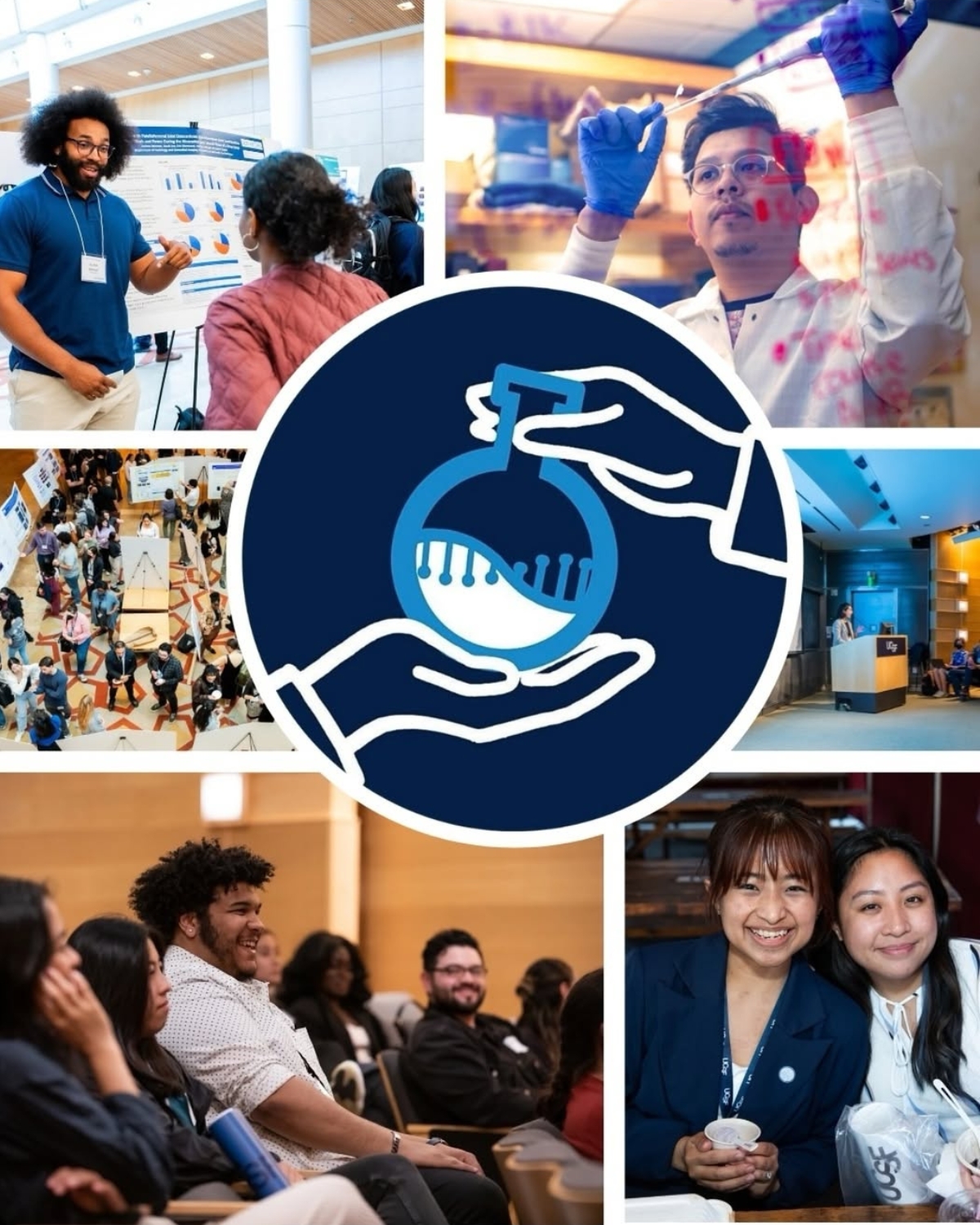
ENGAGE, CONNECT, PROPEL, and CURATE.
.png)


How We Work
SolvingFor helps to develop their ideas into pilot projects, to build capacity and resources to execute them, and to scale and share what works to Make Science Better.
.svg)
.svg)
.svg)
What’s New & Needs You

.jpg)


Who We Are

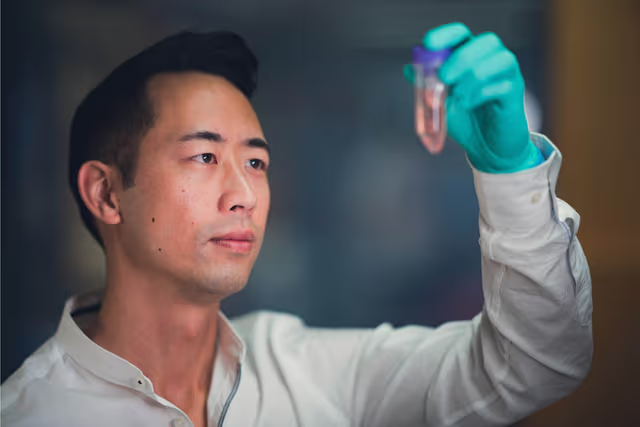
For the past 25 years, Matthew Krummel, PhD, has studied mechanisms that regulate the immune system using cutting-edge technologies. Dr. Krummel is a professor at UCSF, where his research focuses on the spatial and temporal dynamics of the immune system. Current studies include defining cDC1s as primary centerpieces of reactive immune systems in cancer, as well as discovering archetypal immune system states across the body.
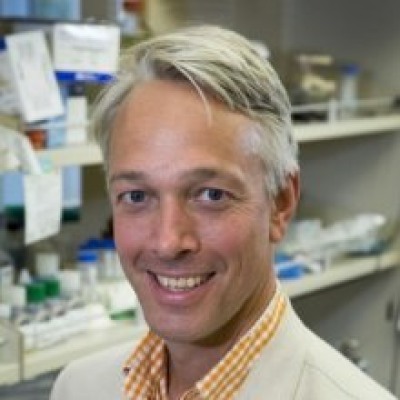
Dr. Vincent Chan is the Chief Strategic Officer for the UCSF Bakar ImmunoX Initiative and co-founder of the initiative, a radical collaboration platform focused on methods and data sharing as a means to accelerate discovery and cures, and as a model for the principles of the scientific community.

Brooke Runnette is a co-founder and Executive Director of Solving for Science. She brings a wide range of experience to the role, having worked at the intersection of journalism, the media business, and nonprofit management for more than 30 years. Her first career was as an Emmy- and Peabody-winning documentary filmmaker and producer, working for ABC News, CBS News, A&E Biography, 60 Minutes, Frontline, and Ted Koppel’s Nightline. She later moved into an Executive Producer role at Discovery, where she developed and oversaw hundreds of hours of series and specials, transforming Shark Week from a dark, sensational format into “Happy Shark Week.” A few years later, she became President of National Geographic Studios, overseeing all film, TV, and short-form video production for the National Geographic Society. In her next role as Executive Vice President of the National Geographic Society, she reorganized the Society’s programmatic activities to better serve its core mission: supporting, amplifying, and expanding the global community of National Geographic Explorers. In 2017, she joined Emerson Collective to work on its energy and environment practice, and the following year she founded Change Agency Collective while continuing to serve as a senior advisor to the Dial Fellowship team, where she worked as a leadership and communications coach to nearly a dozen fellows. Solving for Science was born from her work with Dial Fellow Max Krummel, his collaborator at UCSF’s ImmunoX, Vincent Chan, and long-time collaborator Liz Neeley.
Alex Hoffman is a Professor of Microbiology in the Department of Microbiology at UCLA where he studies signaling networks and the kinetic properties of them that give life to Biology. He is the PI of the Signaling Systems Laboratory, first at UCSD (2003-2013) and then at UCLA (since 2014), has set up collaborative platforms at UCLA and is intensely focused on issues of equity and diversity.
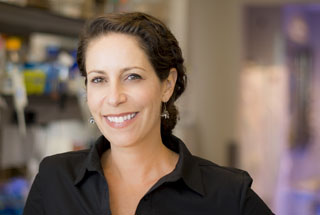
Ananda Goldrath studies the transcriptional regulation of T cell memory and has made formative discoveries in the fate decisions of T cells and how these influence immune memory and outcomes. She is a Professor and has served as Chair of the Molecular Biology Section in the Division of Biological Sciences at the University of California, San Diego. She has been a strong advocate for equity in science and is a founder of the ImmunoSkamania meetings.
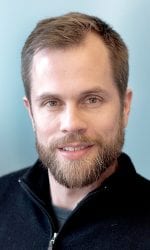
Dr. Andrew Oberst graduated from Amherst College in 2001 and pursued his graduate studies in Europe through a collaborative program between the Universities of Rome and Paris. He received his doctorate in 2006, then completed postdoctoral training at St. Jude Children’s Research Hospital in Memphis, Tennessee. He joined the Department of Immunology as an Assistant Professor in 2012, was promoted to Associate Professor in 2018, and to full Professor in 2023.

I am an Associate Professor in the University of Washington Department of Immunology. My research focuses on the regulation of mucosal immune responses to allergens and helminth parasites. I am passionate about working to create a more equitable and inclusive scientific enterprise. I hope to expand beyond my institution in this work to foster change, progressive or radical, in how we do business as a community of scientists, with specific focus on gender equity, public relations, and mentorship.

Casey Burnett is a graduate student at UCSF, co-mentored by Matt Spitzer and Kole Roybal with a dual interest in immune functions in COVID and in myeloid biology in cancer. Together with fellow graduate students at UCSF, she formed a gender-equity group within ImmunoX, IgEquity, which serves as a community for gender diversity. It includes an enormously successful yearly symposium day that highlights work done by gender-diverse Immunologists and provides mentoring and networking opportunities at this event and throughout the year.
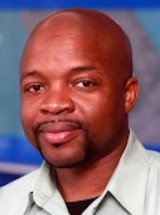
De’Broski is an Associate Professor, Pathobiology, University of Pennsylvania School of Veterinary Medicine where his lab studies mucosoal immunology, focusing in particular on the role of use parasitic organisms as a guide to investigate basic mechanisms of host immunity, inflammation and wound healing. De’Broski has a zeal for interpersonal communication which has included outreach to his community through local churches, to disseminate his understanding of vaccine technology.
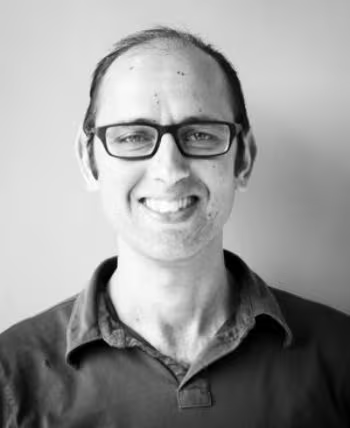
Igor Brodsky is the Chair of the Department of Pathobiology at Penn Vet, where his lab studies host–pathogen interactions and cellular responses to cell death. He is an active voice in reforming scientific training, including participation in the Penn Faculty Pathways Program, a leadership training initiative.
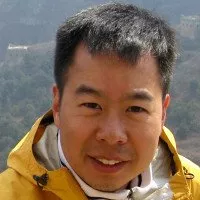
Immunologist Joseph Sun is an investigator in the Memorial Sloan Kettering Institute’s Immunology Program. Dr. Sun’s research focuses on natural killer cells, a key component of the innate immune system.

José Ordovás-Montañés is an Assistant Professor at Boston Children’s Hospital and Harvard Medical School, where he started his lab in 2020, in the midst of COVID-19. His research focuses on understanding how inflammation drives memory formation in human barrier tissues, with the goal of programming and reprogramming these systems in disease. Beyond science, he is interested in equity in the sciences, as well as issues surrounding data sharing and data integration.
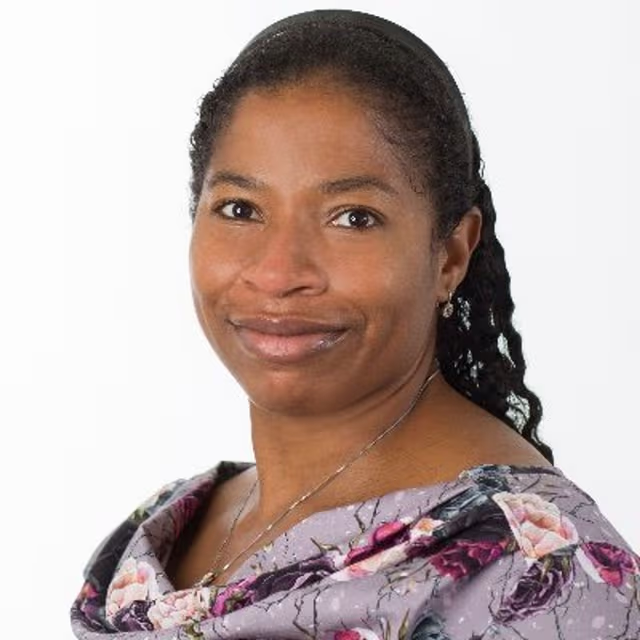
Keke Fairfax has contributed foundational in host-pathogen interactions, including the roles of cytokines and cooperativity between myeloid cells, T cells and B cell in pathogen contexts. She is an Associate Professor of Microbiology and Immunology at the University of Utah. Beyond science, Keke has set up mentoring and equity programs at the University of Utah, all while raising a family and bringing Zeal to causes outside of science.
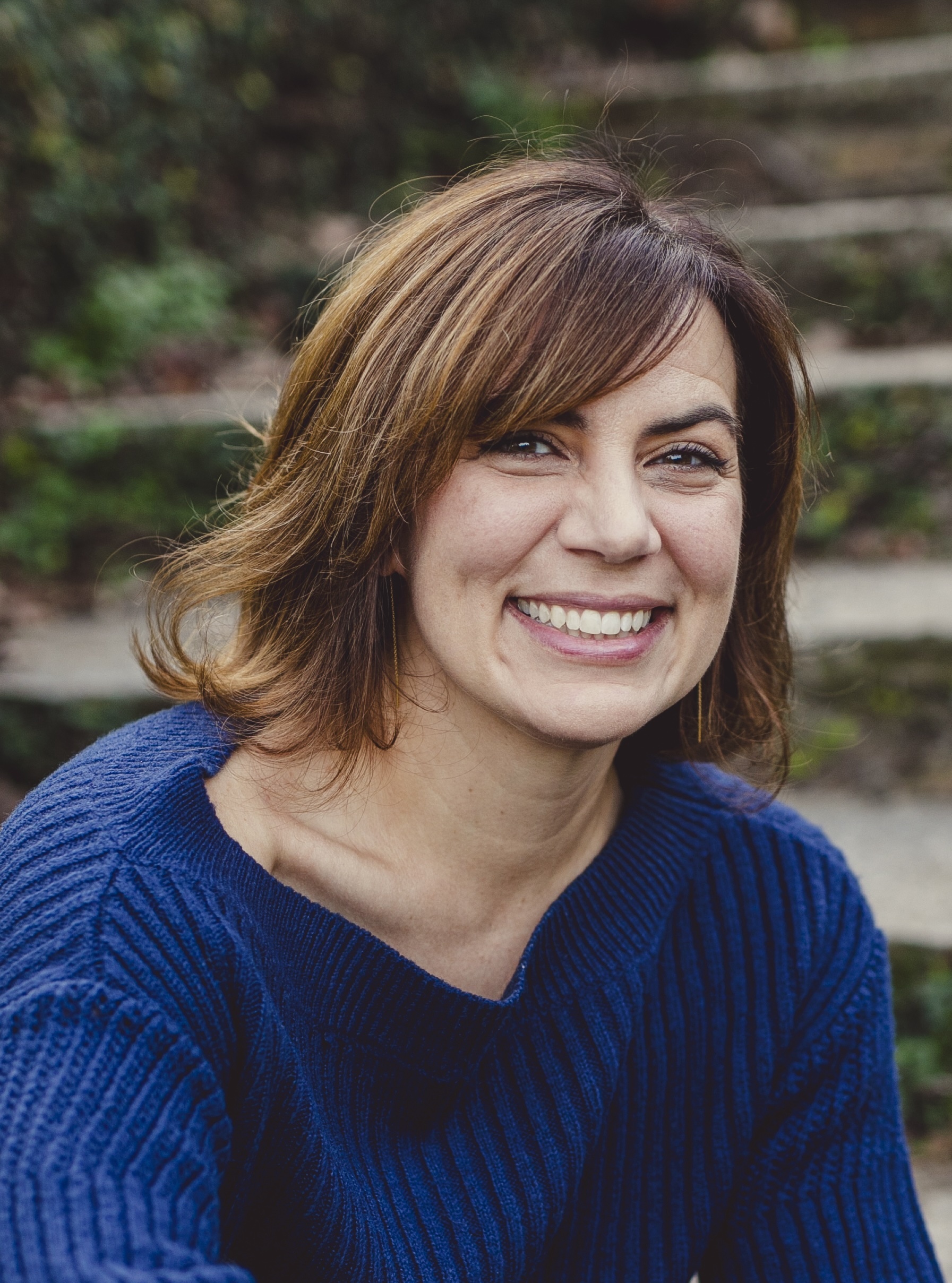
Liz Neeley is a founding partner of Liminal, a science communication collective focused on sensemaking. She began her career in ocean conservation, where she learned that data do not speak for themselves. Since then, she has focused on helping scientists find the courage and language they need to create change within themselves, their institutions, and the world. Liz is also a co-founder of SolvingFor.org and an external advisor to the Institute for Diversity Sciences and the Aspen Institute Science & Society Program, among others. She was previously Executive Director of The Story Collider.
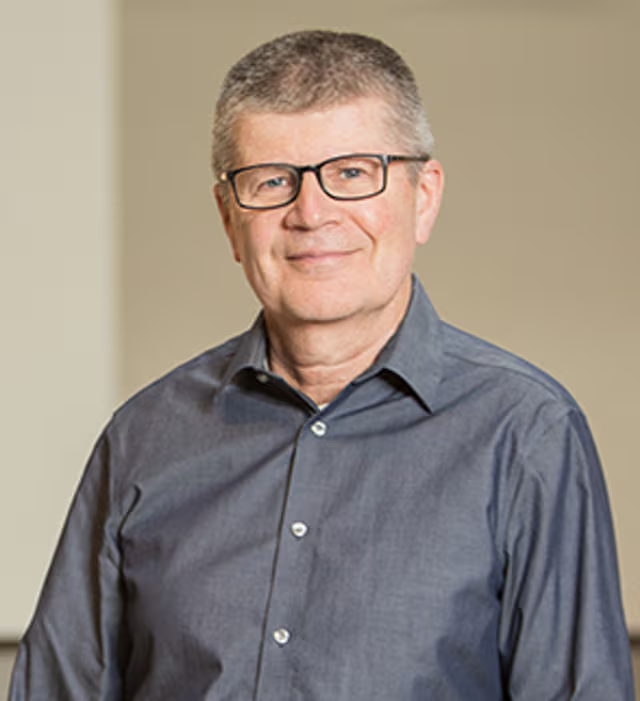
Marc Jenkins has played a foundational role in how we understand T cell function, including understanding how small numbers of T cell clones collectively comprise an immune response. His thoughtful voice connects with other scientists and he brings a career of experiences to any conversation. He innovates in myriad ways, including simple ones like launching ‘tea hours’ at the University of Minnesota where he is a professor and has mentored many in our community.
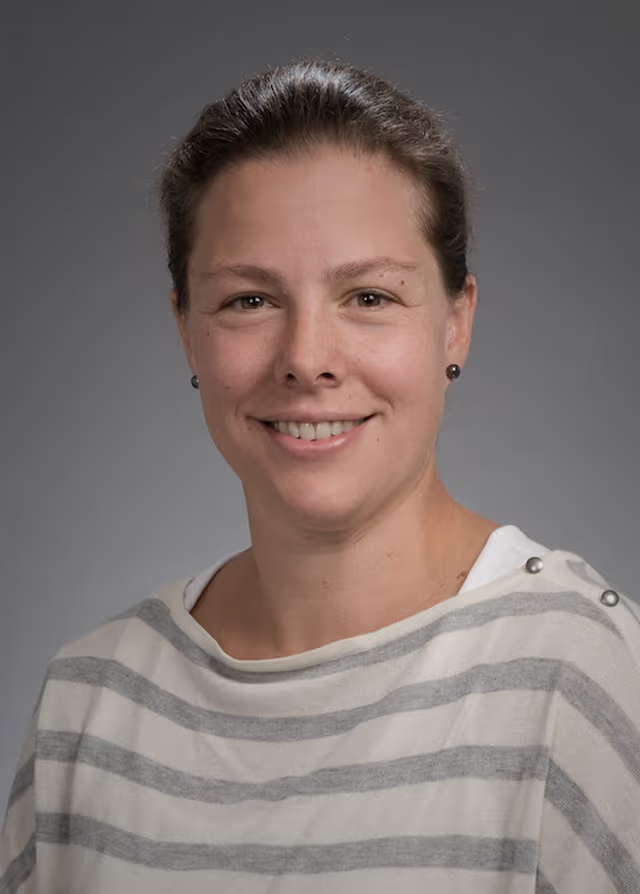
Marion Pepper has contributed numerous advances to the understanding of helper T cells, notably in their cooperativity with antibody-producing B cells. She currently serves as the chair of the department of Immunology at the University of Washington and has written numerous articles about gender equity (notably ‘Hey Man’ in the Journal of Experimental Medicine) amongst other topics. ‘Beyond science’, she frequently contributes to the lay press (e.g. NY Times) and is a founder of the ImmunoSkamania meetings.

Mark Ansel is a Professor of Micobiology and Immunology at UCSF where his lab has made formative discoveries in the area of T cell epigenetics, RNA regulation and the function of microRNAs. He has served as the chair of the biomedical sciences graduate program and co-founded and will Chair the ImmunoX program, starting in September 2023. He is a tireless advocate for gender and racial equity, including serving as a faculty member of the ImmunoDiverse group and a founder of the Propel program which seeks to promote equity in bringing post-bacalaureates into the sciences.
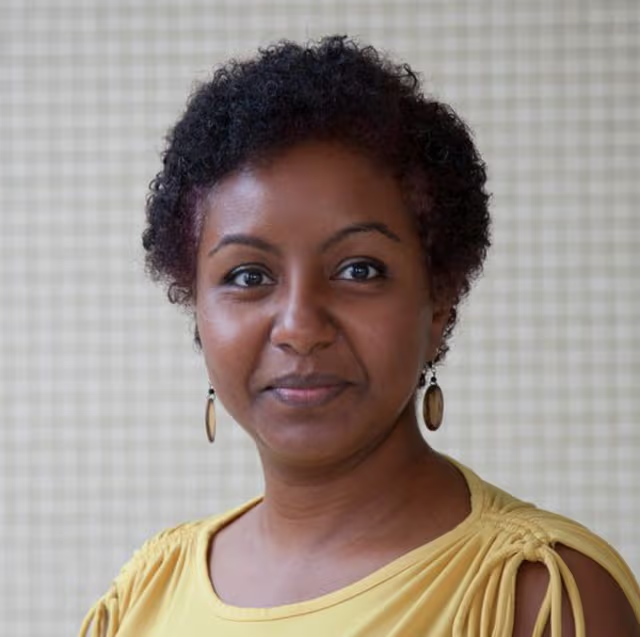
Sara Suliman is an Assistant Professor in the Department of Experimental Medicine at UCSF. Her work focuses on immunology and viral and microbial pathogenesis. Her current research includes dissecting host mechanisms of tuberculosis (TB) pathogenesis and disease progression, defining immunological correlates of protection, and validating biomarkers and point-of-care diagnostics for TB and COVID-19.

Sunny Shin is an immunologist who studies immune mechanisms used by the host to defend against bacterial pathogens such as Legionella, as well as how these pathogens evade host immunity to cause disease. She has been a strong voice in mentoring students, as highlighted in a full-length article in Science, where a mentee wrote: “Over the past year, it’s been so clear that Sunny cares more about me as a person than as a producer of data,” and “I want to be the kind of mentor she was to me.

Tiffany Scharschmidt is an Associate Professor of Dermatology, as well as a dermatologist, microbiologist, and immunologist. She dedicates 80% of her time to research on skin–commensal interactions and the remainder to caring for patients with severe inflammatory skin diseases. She is a founding faculty advisor to the UCSF IgEquity gender equity team, a faculty advisor to the ImmunoDiverse racial equity team, and chairs the ImmunoX Community Committee.
Where We Are
.png)
.png)
.png)
.png)
.png)
.png)
.png)
.png)
.png)